
Built around traceability
Every extracted value can be connected back to its supporting document.
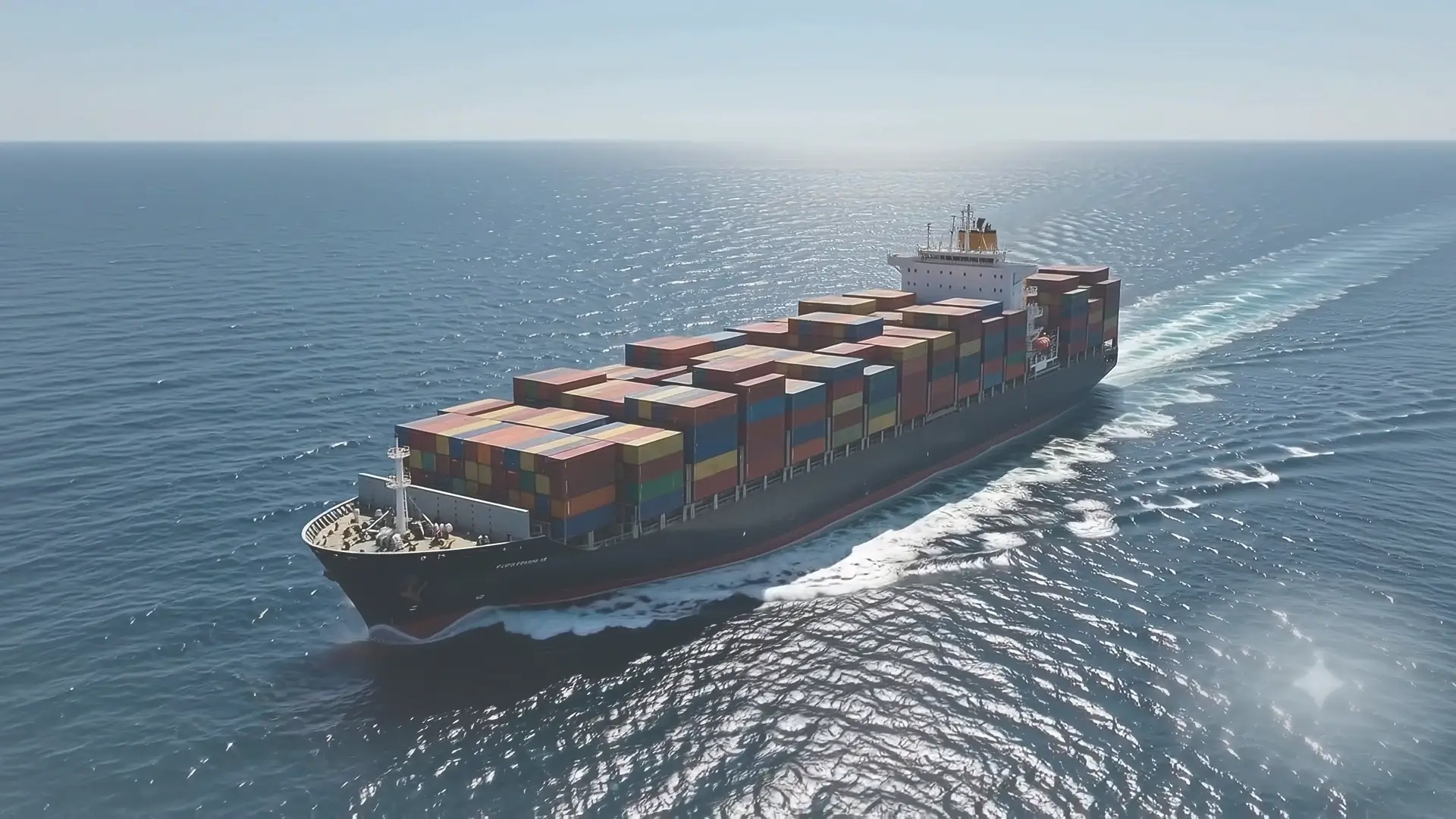
PortWhizzEXIM operations, intelligently connectedLive now
PortWhizz starts there too. Invoices, packing lists, bills of lading, certificates of origin, licences — every shipment begins as a pile of documents in different layouts.
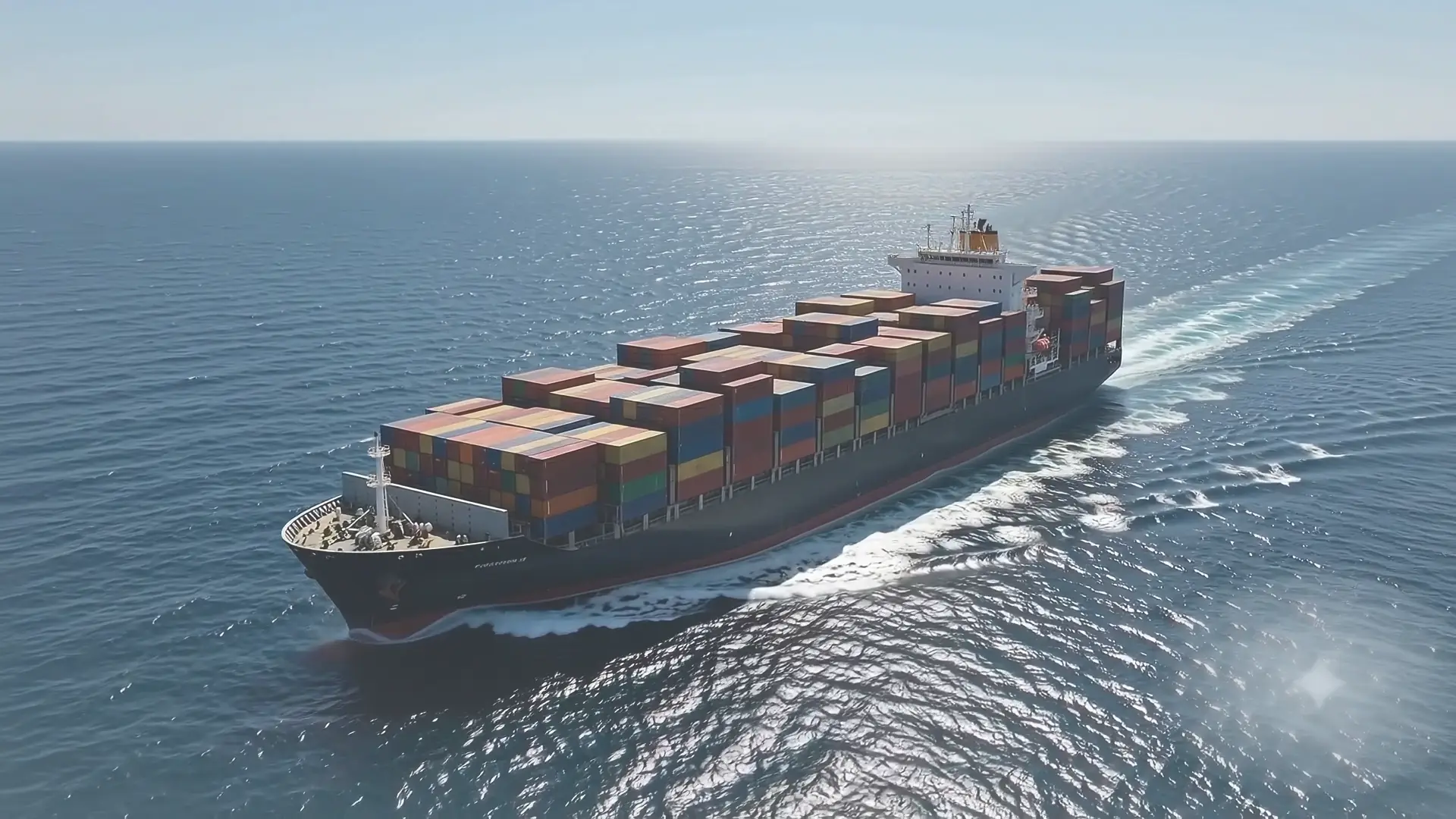
The problemThe information is already thereLive now
The problem is finding it. Turning paperwork into a usable customs job still means opening files, hunting values, checking sources and chasing what is missing.
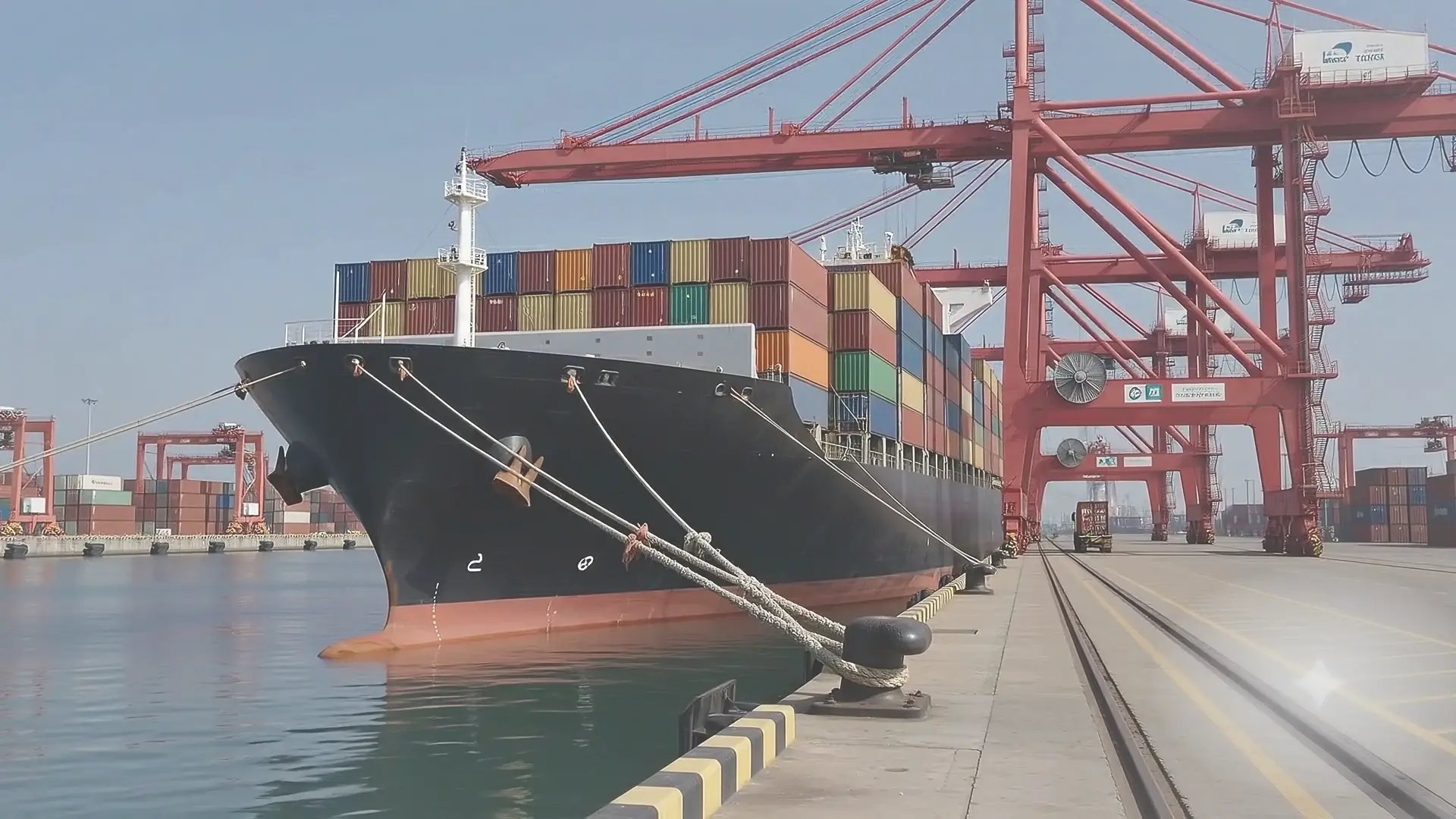
Step oneBring the documents togetherLive now
Not as isolated files. The paperwork belonging to one shipment is processed together, so information can be understood in context — and different layouts stop becoming different manual workflows.
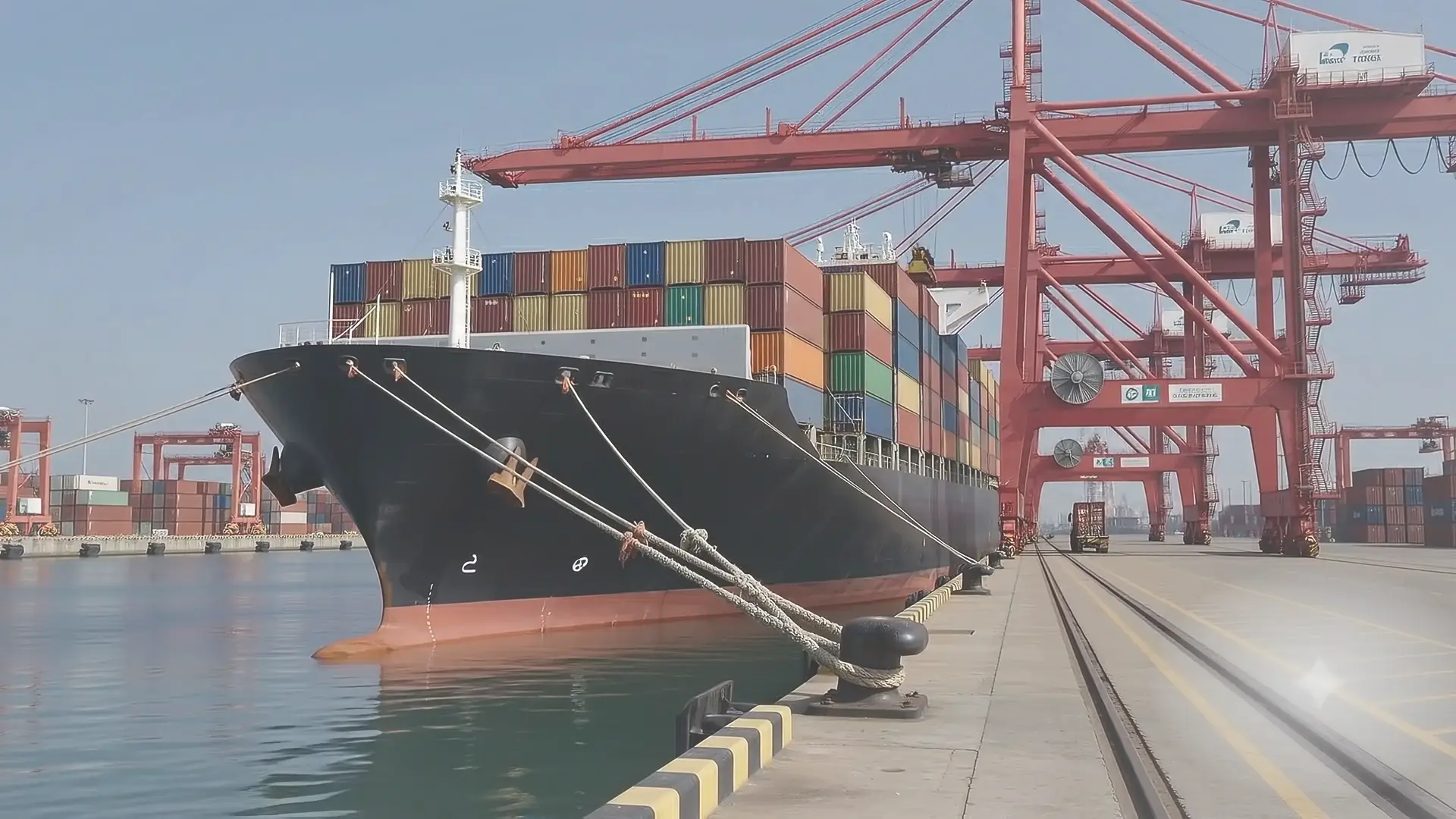
Step twoInformation becomes structuredLive now
Relevant values are organised into defined checklist fields. Instead of searching through pages, your team gets a structured view of the shipment to work from.
Step threeTraceabilityLive now
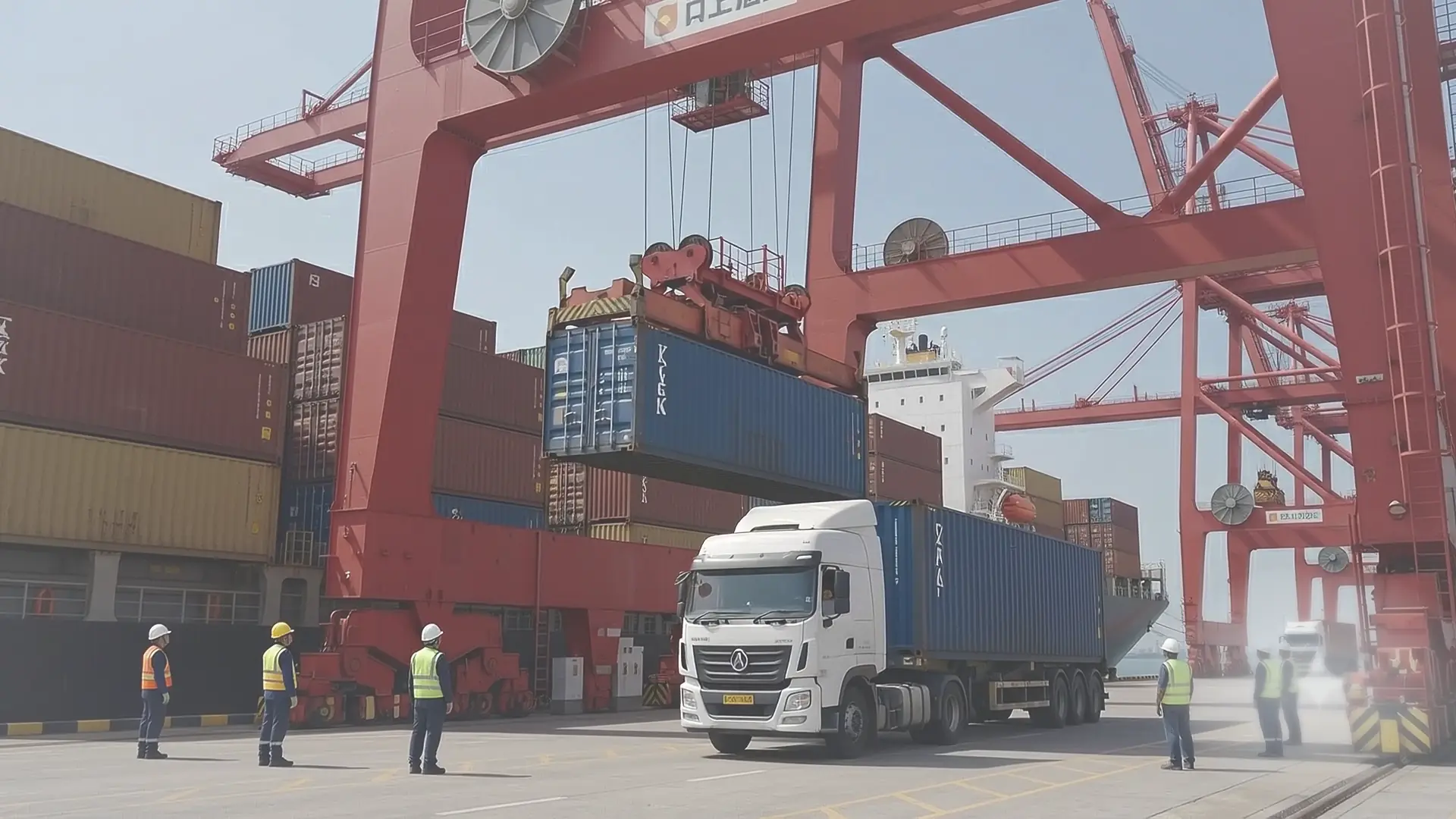
PortWhizz keeps the relationship between an extracted value and the document it came from. So when someone asks where a figure came from, you can show them.
Step fourCompletenessLive now
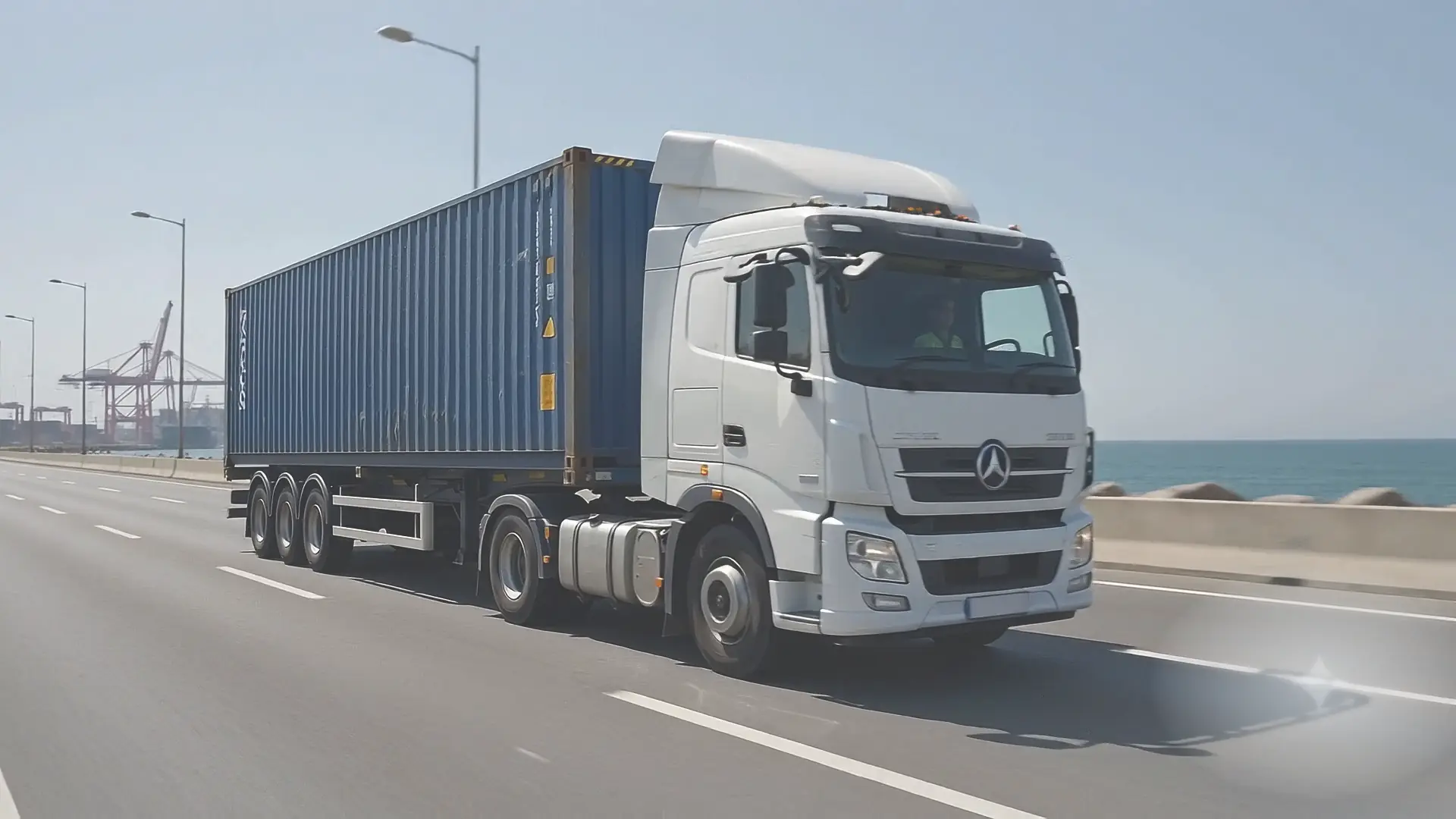
If the paperwork does not support a value, PortWhizz does not invent one. The field stays blank and the gap is flagged. AI assists the workflow; human review stays in control.
Why hereWhy we started at the beginningLive now
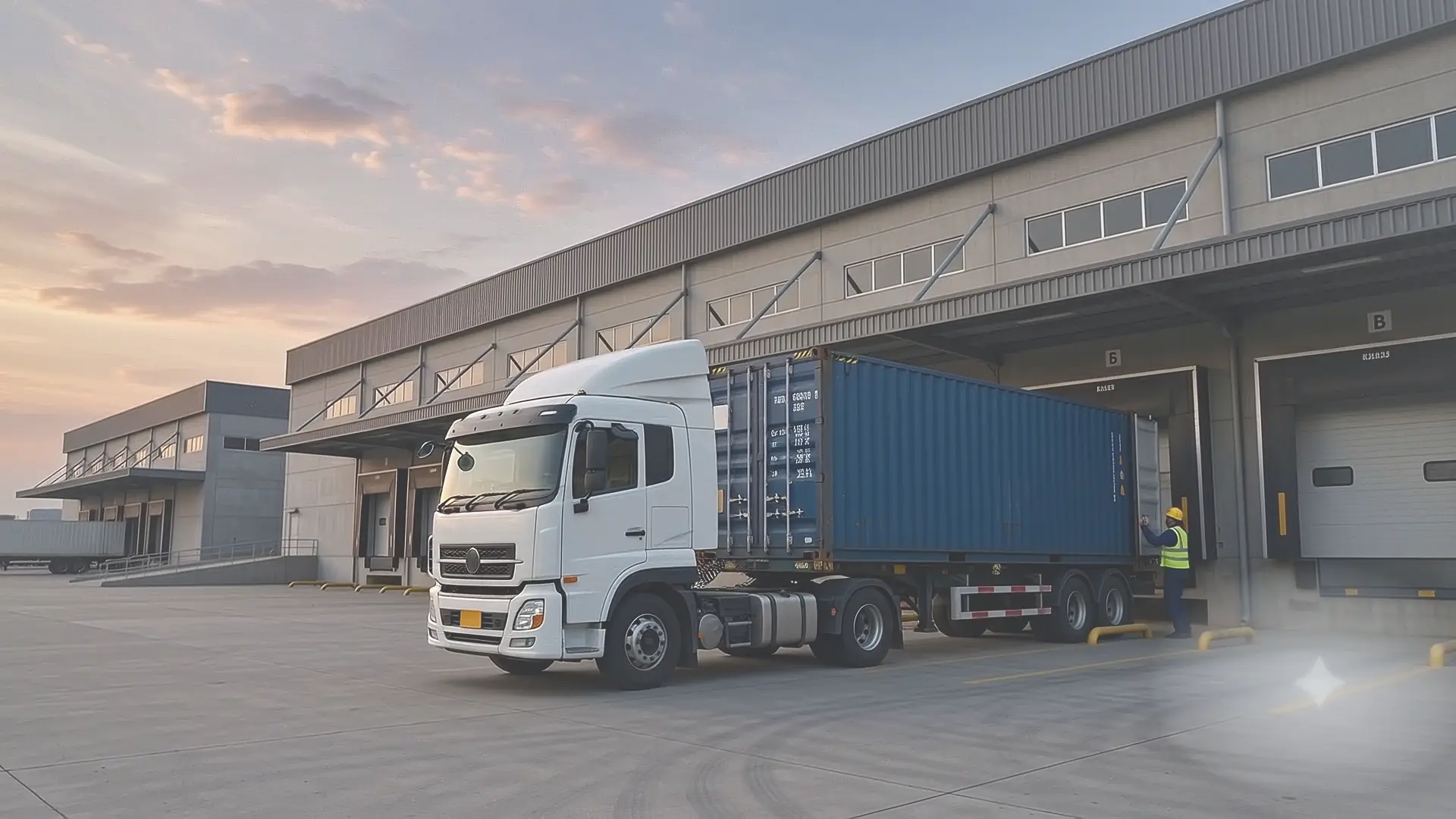
Before duty can be assessed, the shipment information has to be right. Before a licence or a preference can be considered, the details have to be available. So we started with the paperwork.
The visionOne shipment file that grows with the jobComing soon
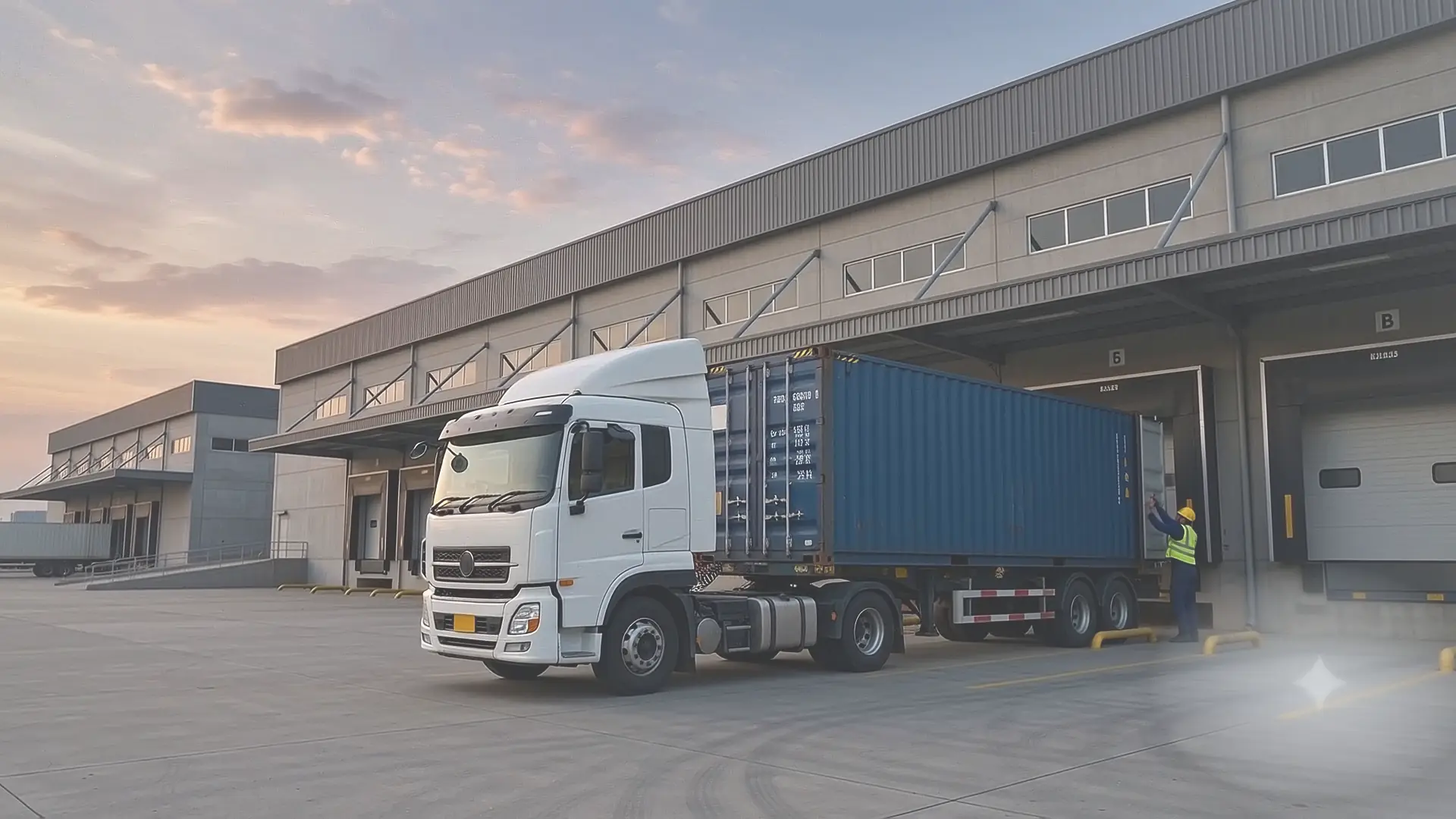
The checklist is not the end goal — it is the foundation. Information captured at the start of a shipment should carry through the rest of its life, instead of being rebuilt at every stage.
Live nowCustoms checklist
It turns the shipment's own paperwork into a structured checklist that customs teams can review before moving the job forward.
Every extracted value can be connected back to its supporting document.
Missing information is surfaced instead of being silently filled.
Multiple documents are processed together instead of being searched one after another.
Everything below is available today.
The PortWhizz workflow
Documents shouldn't be re-entered at every stage. Information shouldn't disappear between systems. PortWhizz is being built around one shipment file that grows with the job — from the first document to the final mile.
Shipment paperwork enters the workspace.
AI extracts and structures relevant information.
The customs checklist is generated and reviewed.
Duty, schemes and preferential treatment evaluated from the same information.
Supporting documents and filing workflows stay connected to the job.
Post-clearance movement continues on the same shipment timeline.
Booking, milestones and costs become part of the same record.
What's coming next
We're building each capability carefully and releasing it as it becomes ready. Here is exactly where each one stands.
Available today.
1 capabilityThe first intelligence layer of PortWhizz.
Live today.
Being built and released as each becomes ready.
6 capabilitiesTurn shipment information into a reviewable duty calculation.
When duty is connected to an obligation, the shipment needs more than a number.
Origin can change the duty. Make the reasoning visible.
Keep supporting documents connected to the filing.
Final signing and regulatory actions remain with the authorised operator.
Cleared doesn't mean delivered.
ULIP access will be required for live movement data.
Enter recurring information once. Use it everywhere.
Built for customs brokers
Multiple documents. Multiple formats. Missing information. Repeated data entry. Manual checking. And the constant question — where did this value come from?
A better starting point for every customs job.
Built for importers
As PortWhizz expands, the same shipment file becomes a shared operational view for importers and their customs partners.
One shipment view. Fewer status calls. Better visibility.
How the AI behaves
In EXIM operations, an incorrect value can be worse than a missing one. So PortWhizz follows a simple principle.
The platform assists trained professionals. It does not quietly make regulatory decisions behind them.
When a field is populated, your team should be able to see where it came from.
Early access
The customs checklist is live. The next layers are being built. Early access is open to customs brokers, importers and EXIM professionals — tell us about your role and how you handle shipments today.
No unnecessary spam. No third-party sharing.